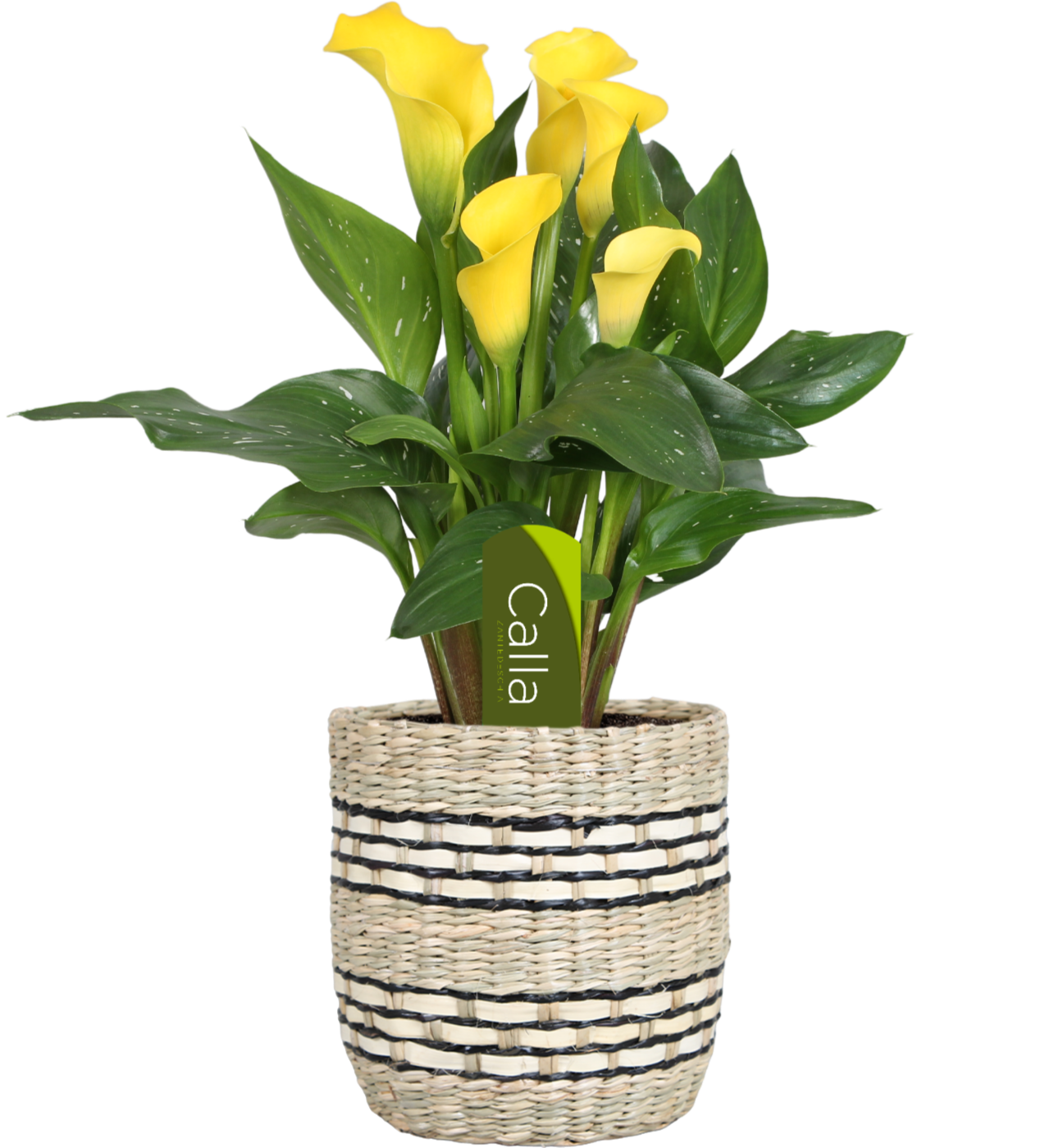

Calla
Colorful elegance all year round
After years of growing experience, Dynaplant offers an extensive collection of Zantedeschia, better known as the Calla. Thanks to our trading partners, we are able to supply retailers with this elegant plant 52 weeks a year, bringing color to the plant kingdom all year round. Through clever planning, we respond to seasonal themes such as Valentine’s Day and Easter, with color combinations that exactly match market demand.
Dynaplant works closely with Dutch breeders and has direct contact with tuber growers in North Holland. In this way we ensure that only the best starting material is used, so that the quality of our Callas always meets the highest standards.
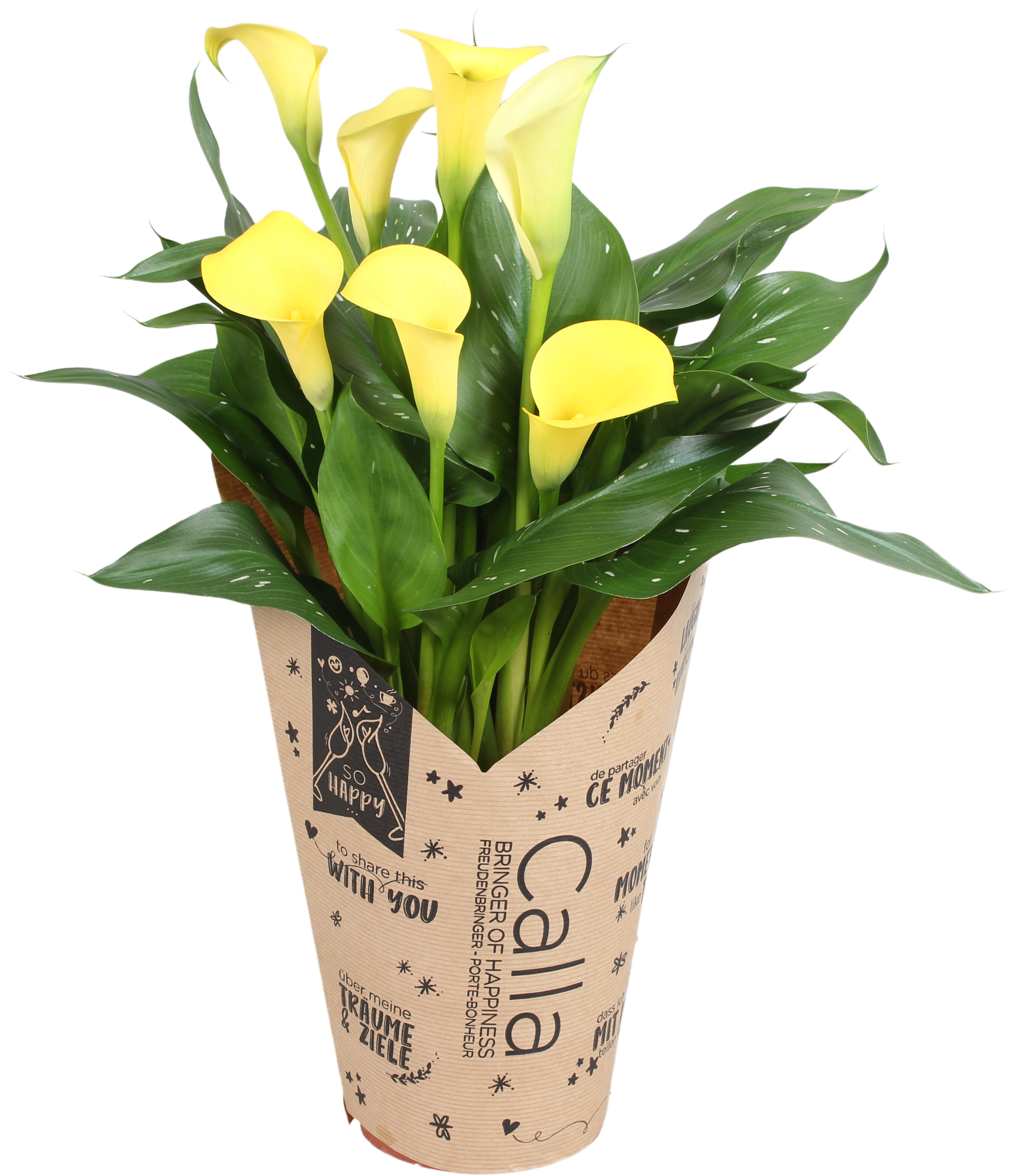
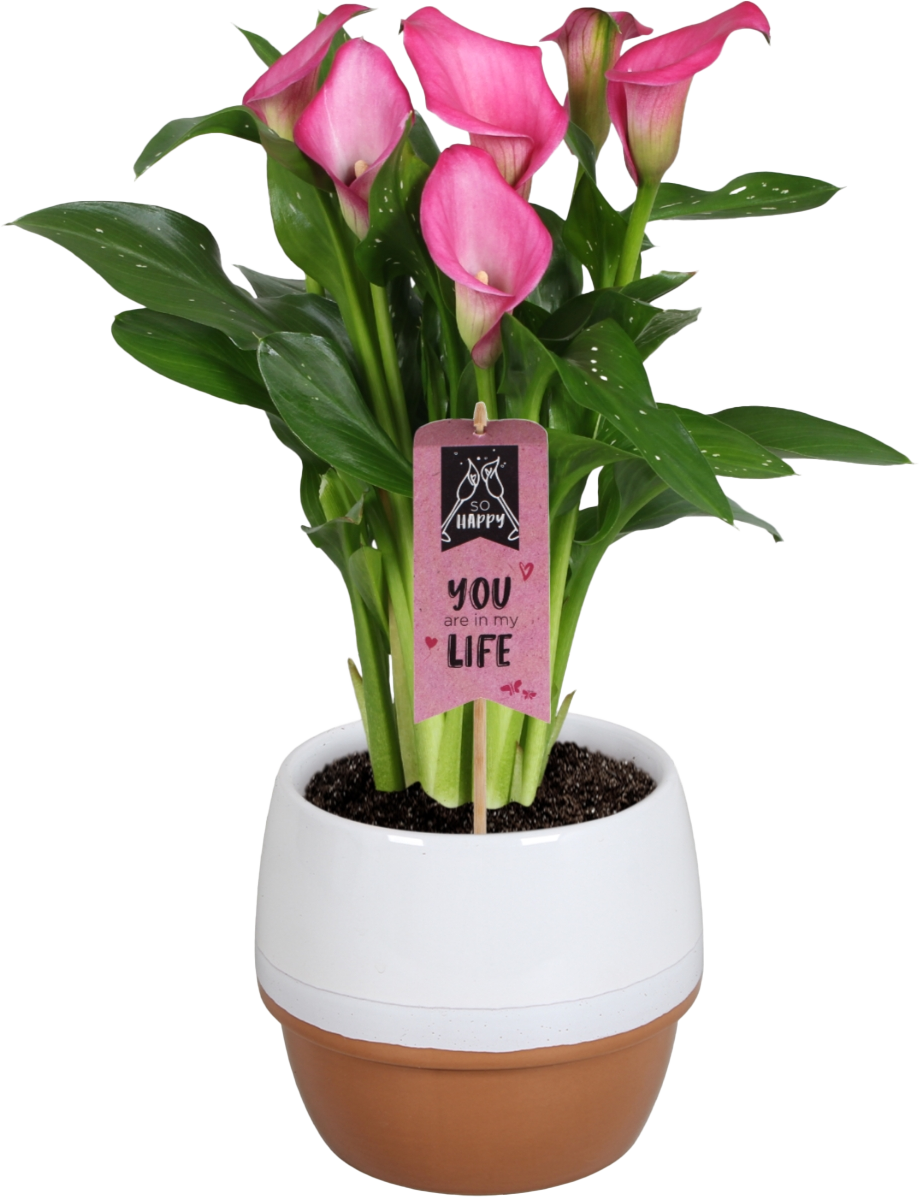
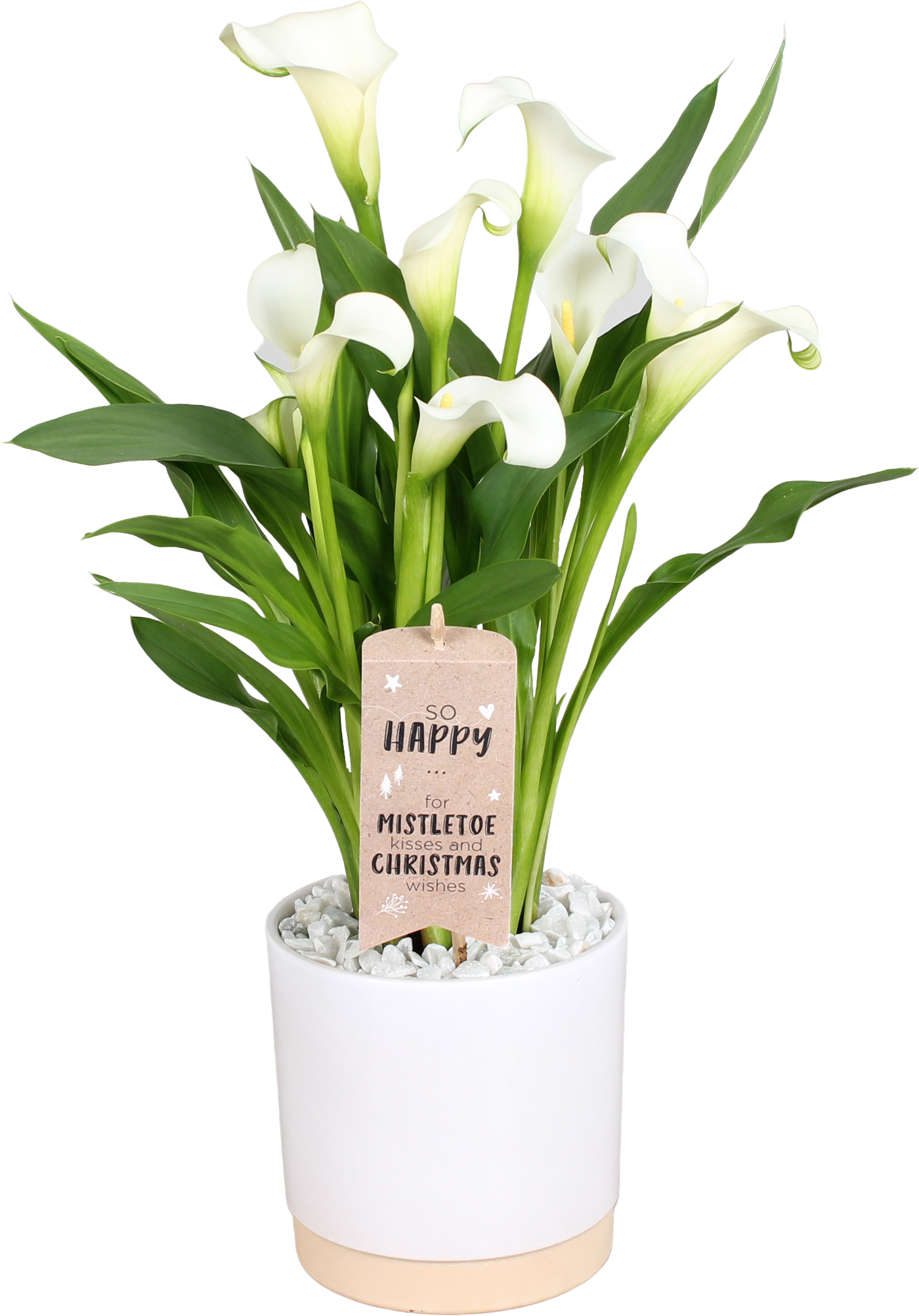
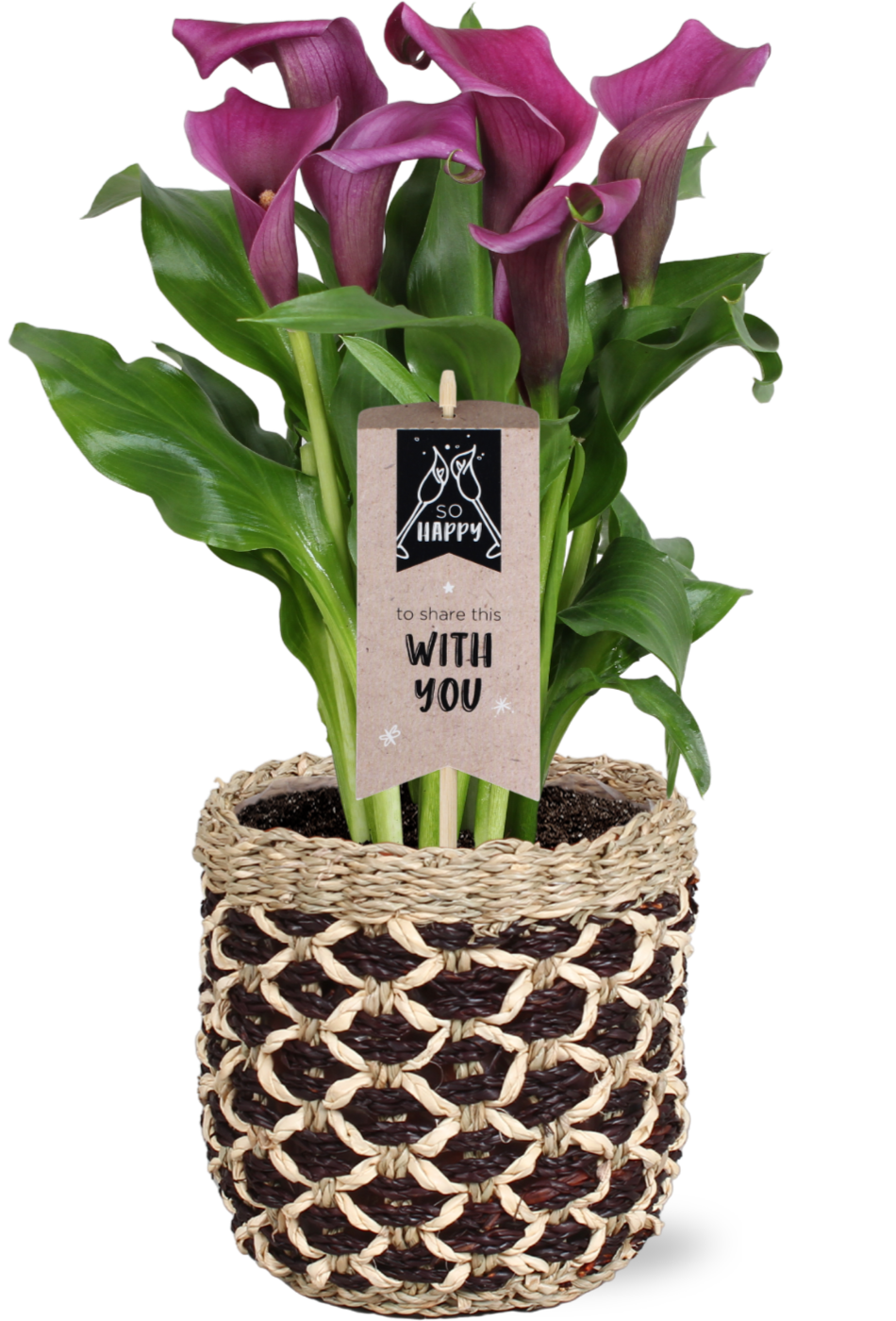
Curious about our So Happy Calla sales concept? This unique concept tells the story of the Calla and highlights the symbolism of happiness on the sales floor.
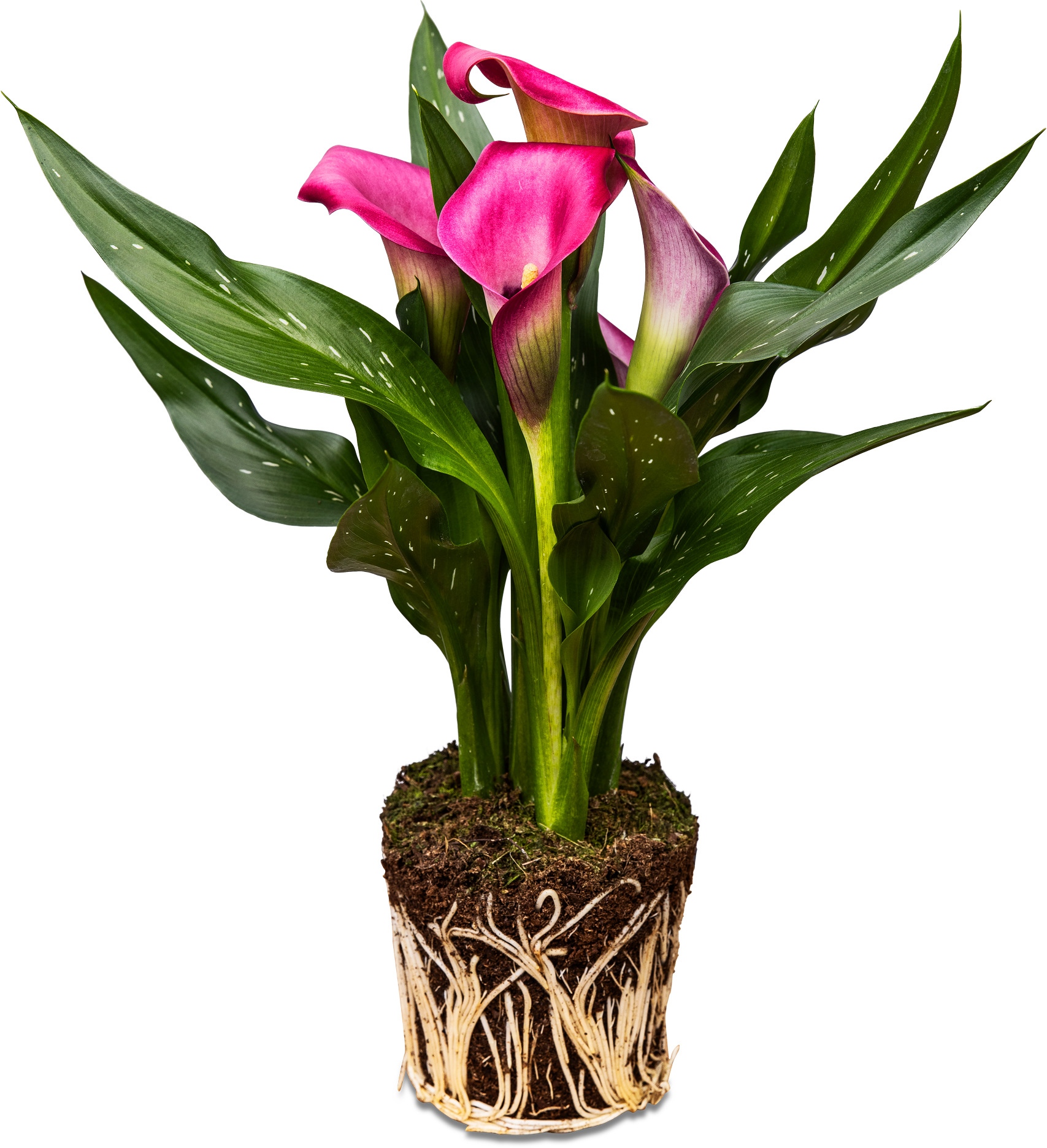
Origin and heritage of the calla
The Zantedeschia, originally from South Africa, includes several species. The best known are the aethiopica and the rehmannii. At Dynaplant, our focus is on the rehmannii, a variety known for its wide range of colors and perfect for both pots and garden projects. This versatile variety is available year-round, allowing us flexibility to meet the needs of our business customers.
Discover Dynaplant
at Floriday
For the business market, our complete assortment can of course also be viewed and ordered via the digital trading platform Floriday.
Color your day with
de Calla
so happy calla
The Calla is traditionally a symbol of happiness. With our own label So Happy Calla, we bring this message to consumers. The eye-catching packaging is specially designed to communicate this happy moment and attract attention on the store floor. A perfect addition for special occasions or just to brighten up everyday life.